
The Role of Luck in Gambling
Luck is often heralded as a dominant force in the world of gambling, influencing outcomes in unpredictable ways. For many players, the thrill of gambling lies in the hope that fortune will favor them at the right moment, leading to unexpected wins. Games such as slot machines and roulette exemplify this dynamic, where players must rely heavily on chance. In addition to these classics, many enjoy the excitement of pokies online payid which further showcase the unpredictability of luck in gaming. The randomness of these games ensures that no matter how prepared a player is, the outcome can shift dramatically based on luck alone. In this context, luck is not just a whimsical notion; it’s a fundamental aspect that shapes the gambling experience.
Interestingly, the perception of luck can vary among players. Some individuals believe that luck is an inherent trait, while others think it’s a temporary state influenced by positive or negative experiences. This belief in luck can shape a player’s approach to the game. For instance, someone who feels lucky might take bigger risks, while a more cautious player could choose to play conservatively, hoping to limit losses. This psychological interplay can lead to vastly different experiences, emphasizing how subjective the concept of luck is in the realm of gambling.
Furthermore, the psychological aspect of luck plays a significant role in gambling experiences. Players often recount stories where they experienced an unexpected windfall, which reinforces their belief in luck. These anecdotes can create a communal sense of optimism among gamblers, perpetuating the notion that luck is an essential part of the game. As players share their lucky moments, they inspire others to engage in gambling, creating a culture where luck is revered, sought after, and even fetishized, making it a cornerstone of the gambling narrative.
The Importance of Skill in Gambling
While luck undeniably influences gambling, skill is equally vital for achieving consistent success, especially in games that require strategy and decision-making. Games like poker, blackjack, and baccarat demand a deep understanding of rules, odds, and opponents’ behaviors. Skilled players can manipulate game dynamics to their advantage, making calculated decisions that increase their chances of winning. In these scenarios, mastery over the game significantly outweighs the role of luck, showcasing how knowledge and practice can lead to more favorable outcomes over time.
Understanding probability is a crucial skill for gamblers, as it can improve their decision-making process. A seasoned poker player, for example, will analyze the odds of their hand against their opponents’ potential hands, making strategic bets based on this information. This analytical approach elevates the gambling experience from mere chance to a well-informed contest of strategy. Furthermore, honing these skills can lead to greater financial rewards, as players who understand the intricacies of the game can capitalize on opportunities that less experienced players might overlook, turning the odds in their favor.

Skill development in gambling can take many forms, including studying books, participating in forums, or joining local gaming clubs. These resources provide players with knowledge that enhances their gameplay. As individuals invest time and effort in mastering their chosen games, they often find that their confidence grows alongside their expertise. This sense of competence can lead to more enjoyable experiences and further success, illustrating the profound impact that skill has in navigating the complex world of gambling.
The Balance Between Luck and Skill
The intersection of luck and skill creates a unique balance that defines gambling as a multifaceted activity. In many games, luck initiates the process, but skill refines the experience and outcome. A player who relies solely on luck may find momentary success but often faces challenges in maintaining that success over time. Conversely, a skilled player who understands when to take calculated risks can navigate the swings of luck more effectively, optimizing their results and enhancing their overall gambling experience.
For instance, a skilled poker player may encounter a streak of bad luck; however, their expertise will allow them to manage their bankroll and make strategic decisions to mitigate losses. They might fold hands that are disadvantageous rather than chase losses, demonstrating that skill can overpower luck in the long run. This relationship emphasizes the significance of personal strategy and emotional control in gambling, as these elements can buffer against the unpredictability of luck, allowing players to maintain a more stable experience.
Moreover, this balance can lead to diverse gambling experiences. Some individuals might enjoy games that heavily depend on luck, celebrating the thrill of potential wins without much strategic thought. Others may prefer games that demand skill, relishing the challenge of outsmarting opponents. This diversity enriches the gambling community, allowing people to find their preferred style and engage with games that resonate with their unique perspectives on luck and skill, thus creating a vibrant atmosphere where both elements can coexist.
Examples of Luck and Skill in Various Games
In many popular gambling scenarios, the interplay of luck and skill can be vividly illustrated through a few exemplary games. Take poker, for instance, where chance dictates the cards dealt but skill determines how those cards are played. A talented player can turn a mediocre hand into a winning one through strategic betting and psychology. Conversely, in a game of pure chance like keno, players have little input, relying solely on luck to determine the outcome, which highlights the stark contrast between games based on chance and those based on skill.
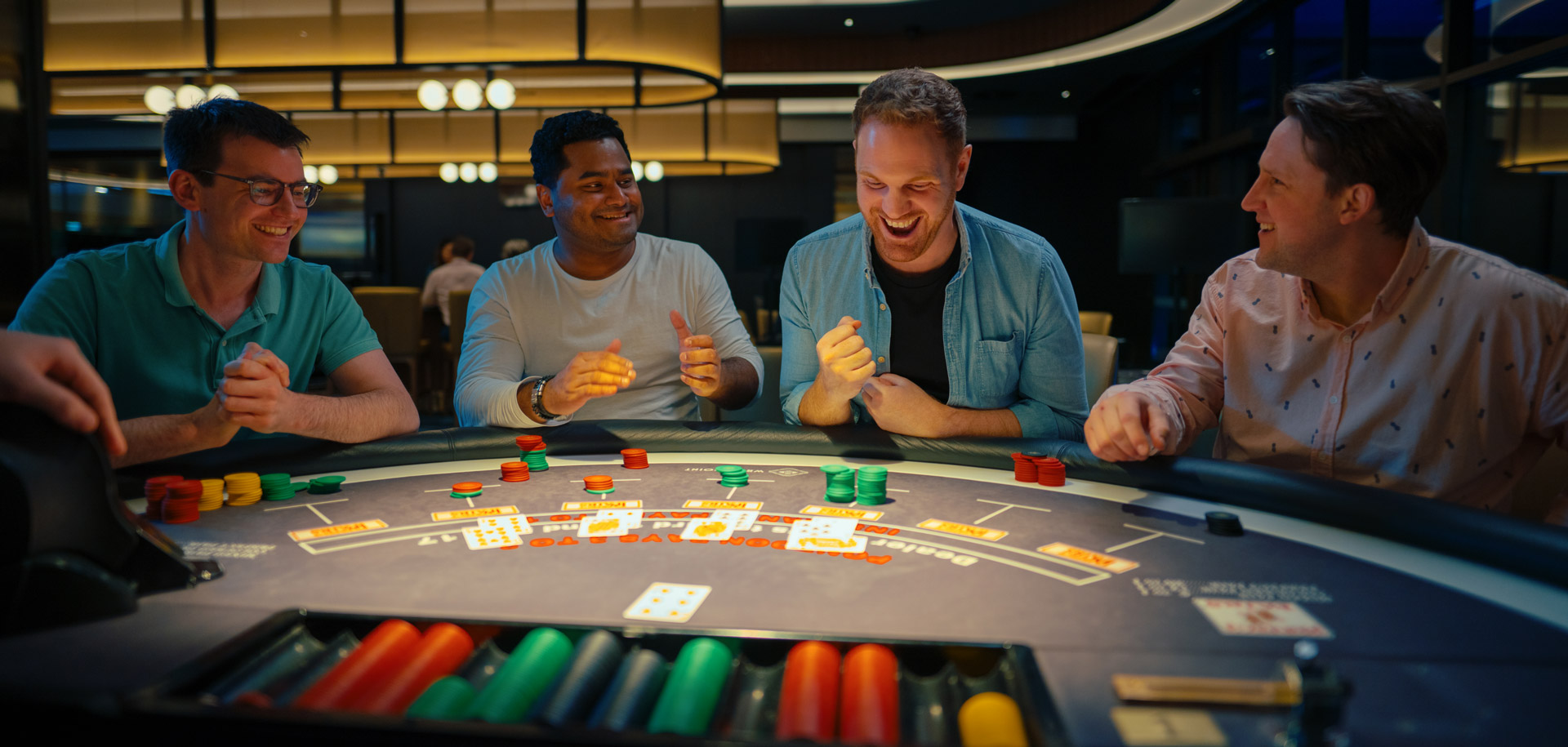
Similarly, in sports betting, the luck of a last-minute goal or injury can sway the results dramatically, yet knowledge of teams, statistics, and strategies plays a crucial role in placing informed bets. Here, skill manifests in the ability to analyze data and make predictions based on performance records, while luck often tilts the final outcome in unpredictable directions. This blend showcases how gamblers must navigate both elements to optimize their betting strategies, understanding that success often hinges on a combination of informed decision-making and favorable circumstances.
Another illustration is found in slot machines, where the complexity of programming creates a game of pure chance. Players may choose machines based on perceived luck or payout percentages, yet the outcome is entirely governed by random number generators. Here, skill has limited impact, resulting in a game where players experience the thrill of risking their money on the slim hope that luck will strike. Across these examples, it becomes clear that each game offers its unique mix of luck and skill, contributing to the rich tapestry of gambling experiences that captivates players worldwide.
Exploring Gambling Resources and Communities
For those seeking to enhance their understanding of how luck and skill interact in gambling, a wealth of resources is available. Online platforms, blogs, and forums dedicated to gambling can provide valuable insights, strategies, and community connections. These spaces allow players to share experiences, learn from one another, and refine their skills in various games. Engaging with these resources can provide an excellent foundation for both novice and experienced gamblers alike, fostering a supportive environment where knowledge is freely exchanged.
Moreover, many websites offer tutorials, articles, and videos that delve into both the skill elements of popular games and the role of luck. These educational tools can aid players in maximizing their potential, helping them build a solid understanding of the nuances associated with luck and skill. Additionally, engaging with seasoned gamblers through mentorship programs or local meet-ups can provide practical experience and advice, further bridging the gap between theory and practice, and enriching the overall gambling experience.
In conclusion, the fascinating world of gambling thrives on the intricate dance between luck and skill. Understanding this interplay can enhance the enjoyment of games while promoting informed decisions. As players delve into their gambling experiences, they can discover rich communities and resources that foster a greater appreciation for the art of gambling, ultimately leading to not just potential financial rewards, but also lifelong enjoyment and connection to this intriguing pastime. Embracing both elements equips players with the tools necessary to navigate the complexities of gambling, ensuring a more rewarding experience for all involved.